Toyo Drive
Toyo Drive
Toyo Drive
Engineered for Brazil's unique soil types and hilly plantations, featuring remote piloting and high-efficiency powertrains.
Brazil stands as a global superpower in agricultural exports, dominating the supply of sugarcane, soy, coffee, and beef. Mechanization is no longer optional; it is the core driver of yield protection and labor cost control across the vast expanses of the Cerrado down to the undulating topographies of Minas Gerais and the southern plains of Rio Grande do Sul. High-efficiency farming requires highly specific machinery capable of dealing with acidic soils, heavy tropical rainfall, and dense crop arrangements.
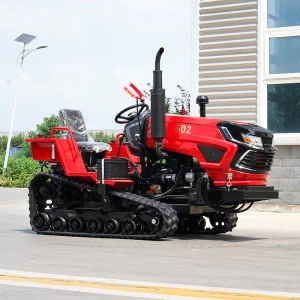
The traditional relies on massive tractors, but modern agricultural operations are shifting toward agile, small-to-medium specialized ride-on and crawler vehicles. These compact platforms minimize soil compaction, access tightly spaced rows, and drastically reduce diesel fuel consumption compared to standard tractors. For estates specializing in horticulture, viticulture, and forestry, compact ride-on crawlers have become indispensable tools.
To assist global procurement directors and agricultural engineers in selecting the correct fleet setup, the table below provides a detailed structural breakdown based on operating performance in high-moisture clay soils typical of Paraná and Mato Grosso.
| Vehicle Parameter | Heavy-Duty Wheeled Systems (4x4) | Rubber Crawler Track Systems | Remote-Controlled Autonomous Mowers |
|---|---|---|---|
| Ground Pressure | High (Can compress wet clay soils) | Ultra-Low (Protects root microstructures) | Minimal (Optimized for light-footprint tasks) |
| Slope Capability | Up to 15 degrees safely | Up to 30 degrees (Excellent hillside stability) | Up to 45 degrees (Remote piloting ensures operator safety) |
| Main Applications | General towing, cargo hauling, sweeping | Heavy tilling, mud-paddy working, terracing | Inter-row weeding, orchard management |
| Maintenance Profile | Low maintenance (standard tires) | Moderate (track tension & guide rollers) | Low (Electric drive systems simplify drivetrain) |
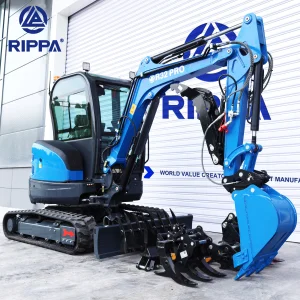
A secondary curated selection of heavy machinery tailored for soil processing and infrastructure maintenance in large agribusiness complexes.
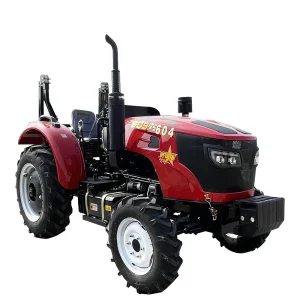
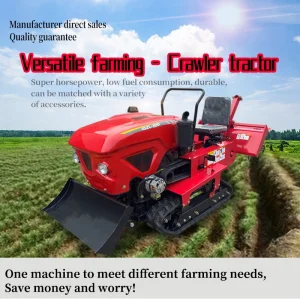
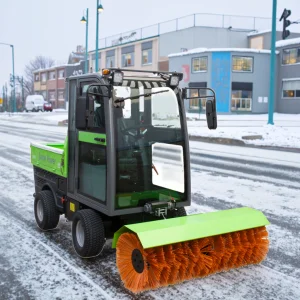
Procuring agricultural machinery from China offers Brazilian importers and cooperatives clear technological and financial advantages. Over the past decade, Chinese manufacturers have heavily prioritized integration of advanced robotics, battery systems, and alloy technologies into utility tractors. This results in products that are highly competitive on price without sacrificing build quality.
Understanding the exact field use cases allows agricultural enterprises to deploy assets efficiently. The following scenarios represent real-world integrations in key agricultural hubs:
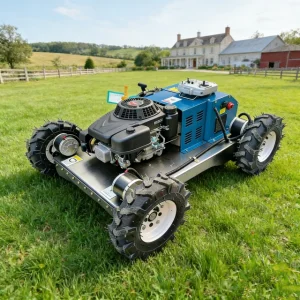
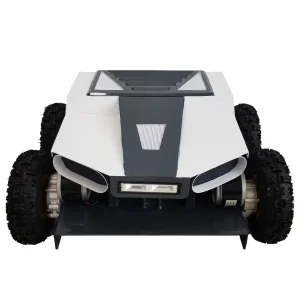
1. Inter-row Weed Control in Coffee Plantations (Minas Gerais & Espírito Santo): Hilly terrains and narrow layouts require low-gravity remote-controlled zero-turn mowers. These tracked vehicles navigate inclines up to 45% without tipping risks, allowing precise weed clearance without exposing operators to hazardous slopes.
2. Soil Aeration and Tilling in Southern Rice Paddies (Rio Grande do Sul): Standard wheeled tractors often get bogged down in flooded clay environments. The 35HP and 50HP rubber crawler tractors disperse body weight evenly, ensuring deep rotary tilling without damaging subsoil matrices or losing traction.
3. Agro-Industrial Warehouse Maintenance (Port of Paranaguá & Mato Grosso Silos): Spillage of dust and organic waste at massive grain storage hubs creates combustion and biological hazards. Heavy-duty ride-on battery sweepers with closed cabs ensure rapid, dust-free cleaning without emitting harmful fumes indoors.
Dongguan Toyo Drive Co., Ltd. is a professional manufacturer specializing in the design, development, and production of custom-engineered battery-powered vehicle solutions, high-grade drive units, and commercial mobility platforms. Leveraging advanced gear system architectures and rugged battery pack designs, the enterprise delivers reliable high-torque platforms optimized for commercial, industrial, and specialized agricultural tasks globally.
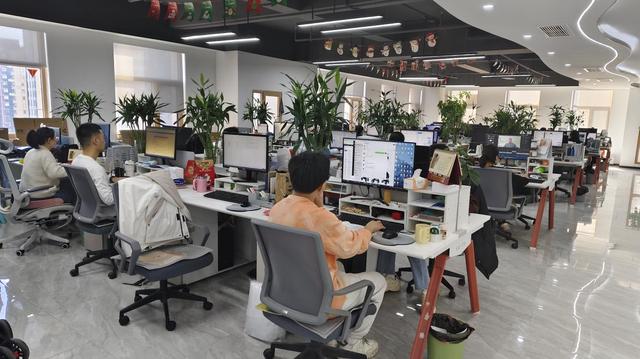
At our modern manufacturing facilities, quality and safety are our highest priorities. Each production stage utilizes precise assembly jigs and dynamic dyno testing rigs to verify gearbox efficiency, chassis load capacities, and motor thermal limits. From raw material selection to final inspection, our products undergo rigorous stress testing to guarantee reliability, durability, and customer satisfaction in demanding, hot climates like Brazil.
As a trusted partner, we provide comprehensive customization options, including specialized chassis alterations, custom motor wind configurations, and advanced packaging solutions. Our engineering teams continuously monitor international safety standards to ensure all units meet rigorous certification criteria for structural integrity and electrical system safety, helping customers build long-term market competitiveness.
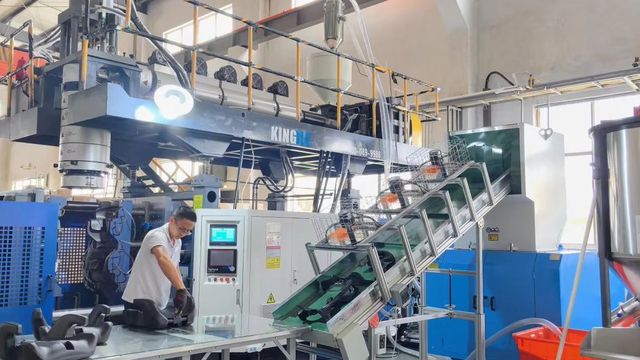
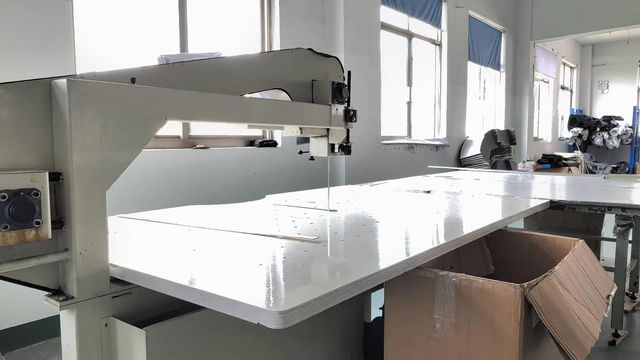
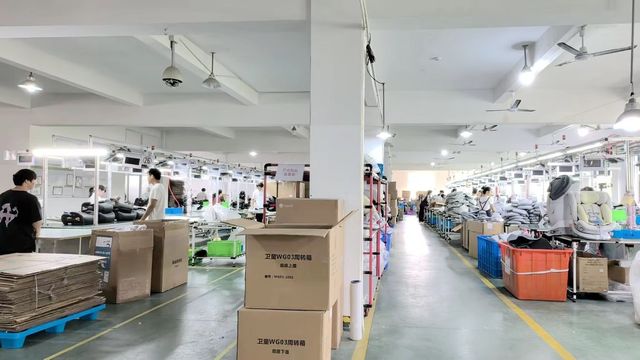
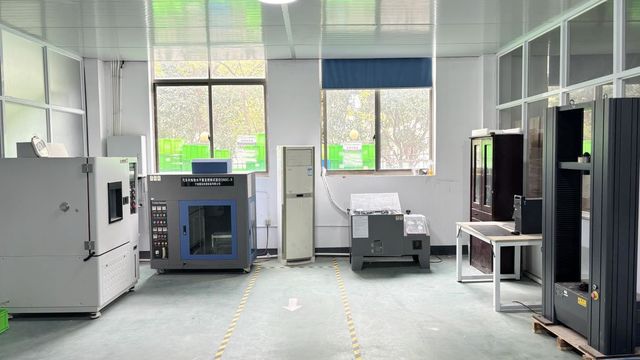
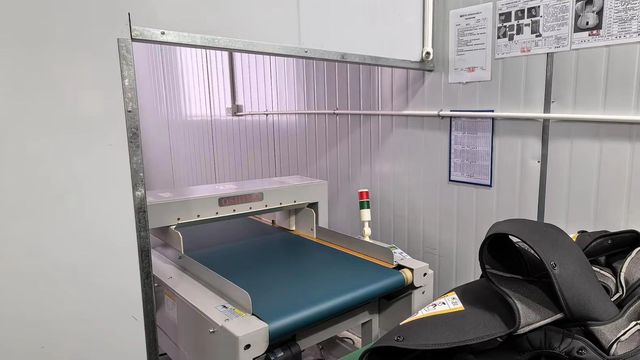
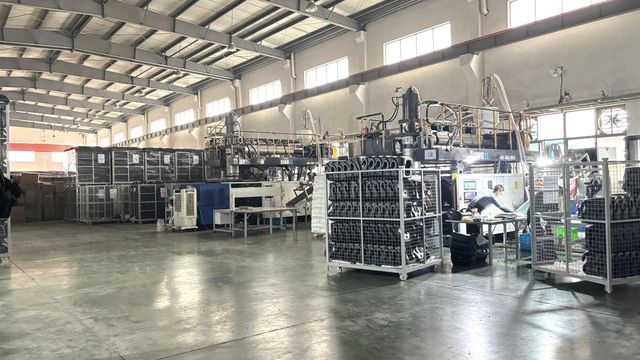
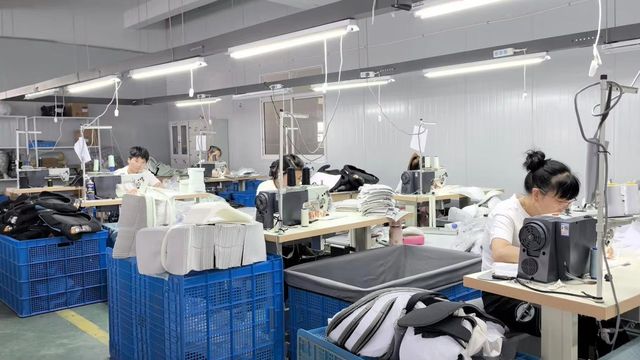
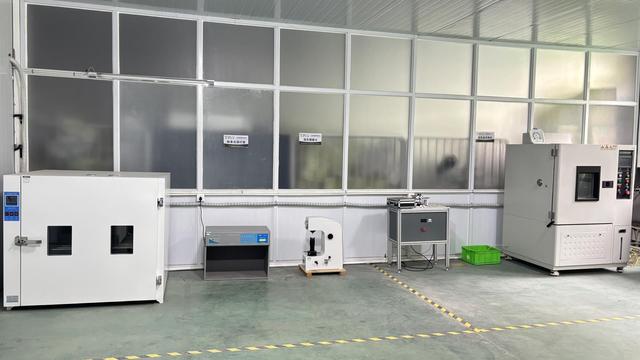
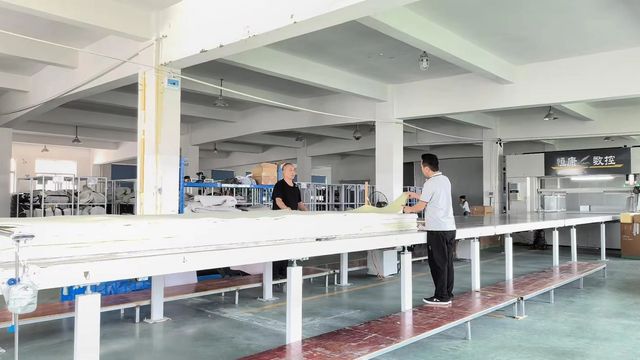
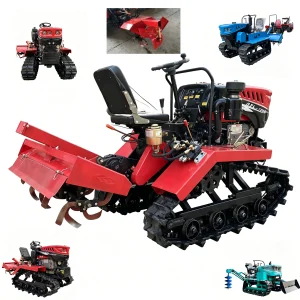
Designed for heavy soil operations, mechanical cultivation, and deep site maintenance across commercial farms in Brazil.
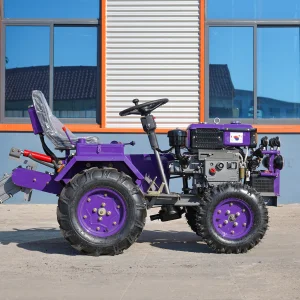
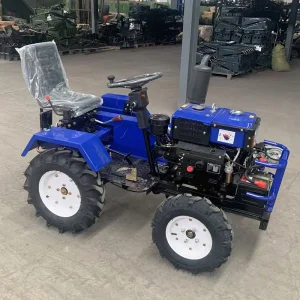
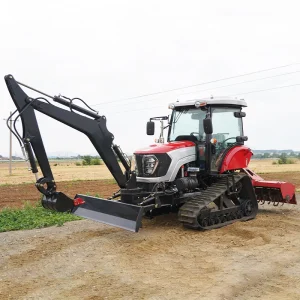
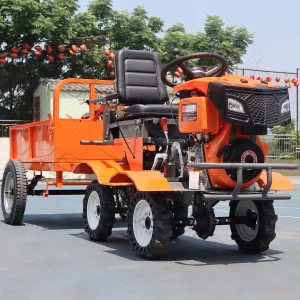
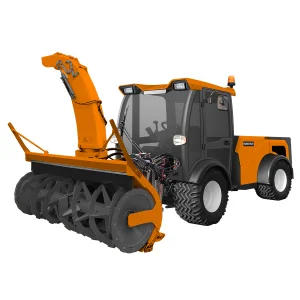
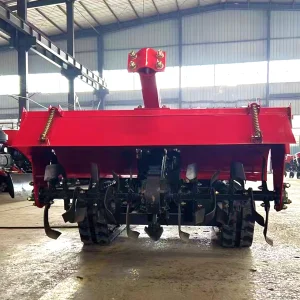
Importing agricultural equipment into Brazil requires careful adherence to local customs protocols and mechanical compliance criteria. Failing to meet these rules can lead to port delays or regulatory fines. When coordinating shipments from China, verify the following details:
1. Compliance with NR-12 Regulations: This is Brazil's primary machinery safety mandate. Ensure your machinery includes accessible emergency stop controls, physical barriers around rotating Power Take-Off (PTO) shafts, and comprehensive electrical insulation diagrams.
2. Tax and Customs (Mercosur Tariffs): Importing machines may fall under specific tax brackets depending on whether equivalent devices are built locally (the "Ex-tarifário" system). Check with customs agents to verify if your equipment qualifies for zero-import tax programs aimed at modernizing farm operations.
3. Spare Parts Strategy: Make sure your supplier offers replacement parts packages (such as extra tracks, filters, hydraulic hoses, and electrical relays) to keep your fleets running smoothly during busy harvesting periods.
Key information regarding logistics, custom setups, and operational questions for the Brazilian market.