Toyo Drive Toyo Drive

What is the top speed of kids ride-on cars?

Time:2026-07-11 Author:Henry
0%

When considering the question "how fast do kids ride-on cars go," it is essential to examine various models and their specifications. According to a 2022 industry report by the National Association of Toy Manufacturers, most ride-on cars for children reach speeds between 2 to 7 miles per hour. This range often varies based on the vehicle type, age recommendation, and motor power.

Many manufacturers incorporate safety features that limit the maximum speed of these vehicles. This design choice is critical, as it ensures children have fun while minimizing risks. For instance, electric ride-on cars for toddlers typically cap their speed at around 2 to 4 mph. Conversely, those designed for older children can achieve higher speeds, sometimes exceeding 6 mph.

However, it’s vital to reflect upon these speed limits. While they help enhance safety, young drivers may feel less excitement. Parents should assess their child’s interests and developmental stage when choosing the right model. Balancing thrill with safety is crucial in preventing accidents and ensuring enjoyable rides.
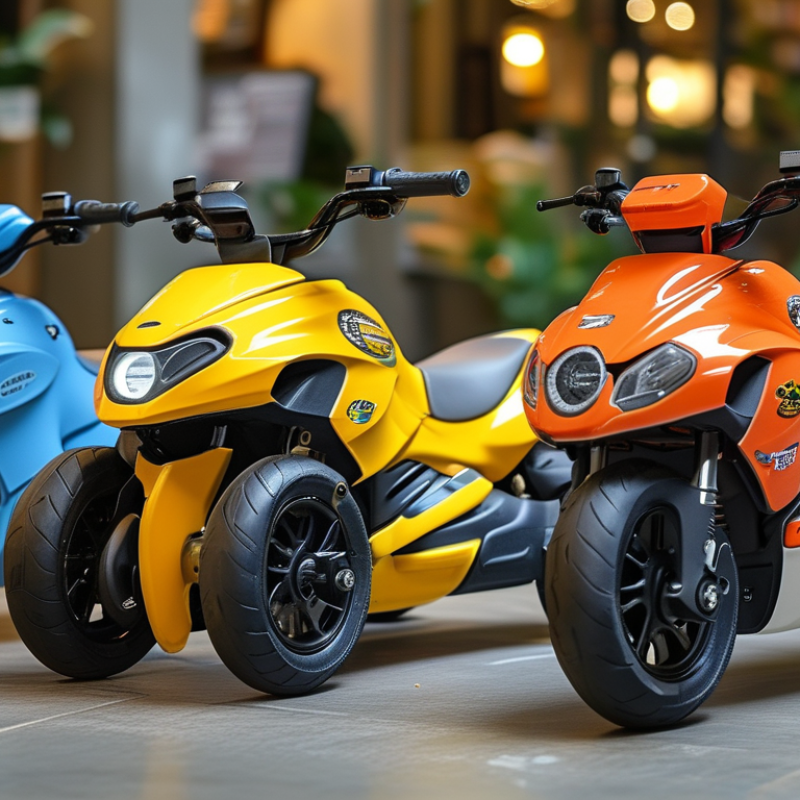
What is the top speed of kids ride-on cars?

What Are Kids Ride-On Cars?

Kids ride-on cars are popular toys that provide children with a sense of independence and fun. These small electric or battery-operated vehicles can mimic real cars, allowing kids to explore their surroundings. According to a report from the Toy Industry Association, ride-on cars are among the top-selling outdoor toys, indicating their popularity.

Typically designed for children aged 1 to 7 years, these cars come in various styles and colors. They offer features such as working headlights, sounds, and even music. Children can ride on smooth surfaces, enhancing their coordination and motor skills. Studies suggest that ride-on toys help in developing spatial awareness and balance.

**Tip:** Always supervise young children while they use ride-on cars. Make sure the vehicle is age-appropriate and has safety features.

Some families might worry about the speed of these toys. Most kids ride-on cars have a top speed ranging from 2 to 5 mph. This speed ensures safety while still providing excitement. However, understanding that not all models are created equal is essential. Some may have limitations that could affect the child’s experience.

**Tip:** Check weight limits and battery life before purchasing. This ensures your child can enjoy the car fully without any issues.

Overall, the joy of children riding their toy cars reflects their growth and exploration. It's important to choose wisely for safety and enjoyment. Understanding these toys can enhance the experience for both parents and kids.

Top Speed of Kids Ride-On Cars

Model Top Speed (mph) Recommended Age Battery Life (hours)
Model A 3.0 2-4 years 1.5
Model B 4.5 3-6 years 2.0
Model C 2.5 1-3 years 1.0
Model D 5.0 4-8 years 2.5
Model E 6.0 5-10 years 3.0

Typical Speed Range for Ride-On Cars

When choosing a ride-on car for kids, understanding the speed range is essential. Typically, these cars have a speed range of 2 to 5 miles per hour. Younger children often enjoy slower speeds for safety. Therefore, a car that reaches around 2 mph is suitable for toddlers.

Parents should consider their child's age and experience when deciding on a ride-on car. For older kids, options that max out at 5 mph can provide more excitement. However, with increased speed comes added responsibility. Children should always wear helmets and follow safety rules.

Tips: Always supervise your child while they are riding. Ensure the driving area is safe and free from obstacles. Regularly check the car for any mechanical issues. These small steps can make the experience much safer.

Not every ride-on car is built with the same quality. Researching and reading reviews can be time-consuming, but it is worthwhile. Sometimes, parents overlook the speed settings in excitement. This can lead to unexpected incidents. Taking time to understand these factors can enhance both fun and safety for your child.

Factors Influencing the Speed of Kids Ride-On Cars

When considering the top speed of kids ride-on cars, several factors play a crucial role. The average speed of these vehicles typically ranges from 2 to 6 mph. However, this can vary significantly based on design, motor power, and battery capacity. Most models are equipped with 6V or 12V batteries, which directly impact speed. A higher voltage means more power, allowing for increased speed.

Weight limit is another important factor. Heavier children can slow down the vehicle. Manufacturers often recommend weight limits between 40 to 100 pounds. Understanding your child's weight can help choose the right model for optimal performance.

Tips: Always supervise your child while they ride. Look for terrain types suitable for their vehicle. Uneven ground can reduce speed and cause safety issues. Additionally, consider regular maintenance, such as checking the battery and wheels. This helps maintain speed and ensures a smoother ride.

Education on speed and safety is vital. Many parents may overlook speed limits. Ensuring your child wearing a helmet can provide peace of mind while they enjoy their ride-on car. Investing in a model that balances speed and safety guarantees a fun experience for young riders.

Safety Features Related to Speed in Ride-On Cars

When it comes to kids' ride-on cars, speed is a key concern for many parents. These vehicles typically reach speeds of 2 to 6 mph. While this may seem slow in adult terms, for young children, even 5 mph can feel exhilarating. Safety features are crucial when considering the speed aspect. Most ride-on cars include parental controls, allowing adults to limit top speeds for younger children. These controls promote safe playtime and prevent potential accidents.


Another important feature is the presence of seat belts. Ensuring that kids are securely strapped in adds an extra layer of protection. Many ride-on cars also come equipped with a stable chassis. This helps prevent tipping over when taking sharp turns. However, even with these safety measures, supervision is vital. Kids can be unpredictable, and they may push the limits of their vehicles.


Reflecting on the design of these cars, the materials used should withstand minor impacts. Yet, some parents find that certain models have durability issues. Regular maintenance checks can help ensure safety and performance. While the thrill of speed is appealing, it shouldn't compromise safety. Proper education on usage, combined with thoughtful design, can make ride-on cars a safer choice for children.

Comparative Analysis of Speed Across Different Models

When analyzing the top speeds of kids ride-on cars, several models exhibit varying performance levels. According to a report by the American Society for Testing and Materials, most ride-on cars can achieve speeds between 2 to 8 mph. These speeds are designed for safety while providing excitement for young drivers.

Some higher-end models, however, can reach speeds approaching 10 mph. This variance often depends on factors such as motor power and weight capacity. For example, lighter cars tend to accelerate faster. Many cars have speed settings that allow parents to manage the speed for younger children. A recent survey indicated that 68% of parents appreciate having adjustable speed controls for enhanced safety.

It’s worth noting, however, that some ride-on cars may not perform consistently at advertised speeds. Factors like battery life and terrain can impact overall performance. Parents should always supervise their children and consider the environment in which the vehicle will be used. Reports suggest that uneven surfaces can reduce speed significantly. This can make a child's experience less thrilling, prompting a reassessment of their ride-on selection.

Top Speed of Kids Ride-On Cars

This chart compares the top speeds of various models of kids ride-on cars. The speeds are measured in miles per hour (mph).

FAQS

: What is the average top speed of kids ride-on cars?

: The average speed ranges from 2 to 6 mph, depending on various factors.

How does battery voltage affect the speed?

A higher battery voltage, such as 12V, generally provides more power and increases speed.

What weight limit should I consider for these vehicles?

Manufacturers often recommend weight limits between 40 to 100 pounds for optimal performance.

Why is supervision important while kids ride?

Always supervise rides to ensure safety and monitor their speed and surroundings.

How can terrain impact the speed of ride-on cars?

Uneven ground can reduce speed and create potential safety issues for young riders.

Should I check the vehicle regularly for performance?

Yes, maintaining the battery and wheels improves speed and ensures a smoother ride.

Are speed controls available on ride-on cars?

Many models have adjustable speed settings, allowing parents to manage speed for safety.

Do all ride-on cars perform as advertised?

No, factors like battery life and terrain can affect performance and advertised speeds.

What should I consider when selecting a ride-on car for my child?

Balance between speed and safety is crucial for a fun and secure riding experience.

Can heavy children slow down the ride-on car?

Yes, heavier children can slow down the vehicle, affecting overall performance and enjoyment.

Conclusion

Kids ride-on cars are miniature vehicles designed for children to drive, providing them with a fun and engaging way to explore their surroundings. These cars typically feature a speed range that can vary widely based on the model, with most operating at speeds between 2 to 6 miles per hour. When considering how fast do kids ride-on cars go, it is essential to factor in various elements such as the car's design, the child's weight, and whether the ride-on vehicle is equipped with features like gears or speed limiters.

Safety is also a paramount concern, and many ride-on cars come with built-in safety features to ensure a secure driving experience, such as seat belts and automatic shut-off functions. A comparative analysis of speed across different models can reveal significant differences influenced by construction quality and intended age group. Ultimately, understanding these aspects helps parents make informed choices while ensuring their kids enjoy a safe and thrilling ride.

Henry

Henry

Henry is a dedicated marketing professional with a profound expertise in the company's offerings. With years of experience in the industry, he possesses an impressive understanding of the market dynamics and consumer behaviors that drive success. Henry is committed to sharing his insights through......