Toyo Drive
Entering the ride-on toy market in China can look simple from a product catalog. In practice, it requires careful research, supplier communication, and repeated testing. This guide explains how to start a private label ride-on toy business with a realistic view of the process. You will need more than a colorful logo and a promising factory quote. Customer age, battery performance, motor strength, charging design, and packaging quality can shape your reputation.
A reliable plan begins with a clear product brief. Define the vehicle style, target age, dimensions, materials, colors, branding areas, and expected order volume. Then compare manufacturers through factory visits, video audits, certification records, and production samples. A sample that performs well for one afternoon may fail after weeks of use. That matters. Ask how the factory checks wiring, wheels, remote controls, batteries, and final assembly. Independent quality inspections can reveal loose screws, weak cartons, or inconsistent paint before shipment.
Private labeling also involves thoughtful branding and cost control. Your budget should include molds, artwork, sample revisions, testing, packaging, freight, inspections, and possible delays. Chinese suppliers may offer attractive minimum order quantities, but low prices can hide compromises in materials or service. Be careful. Build written specifications and approval checkpoints into every order. Requirements vary between markets, so consult qualified local professionals about applicable toy safety, labeling, battery, and electrical rules. No supplier can replace your own responsibility as an importer. The process may feel slower than expected, and some decisions will need revision. That is normal. A durable business is built through evidence, transparent communication, and products that children can enjoy safely.
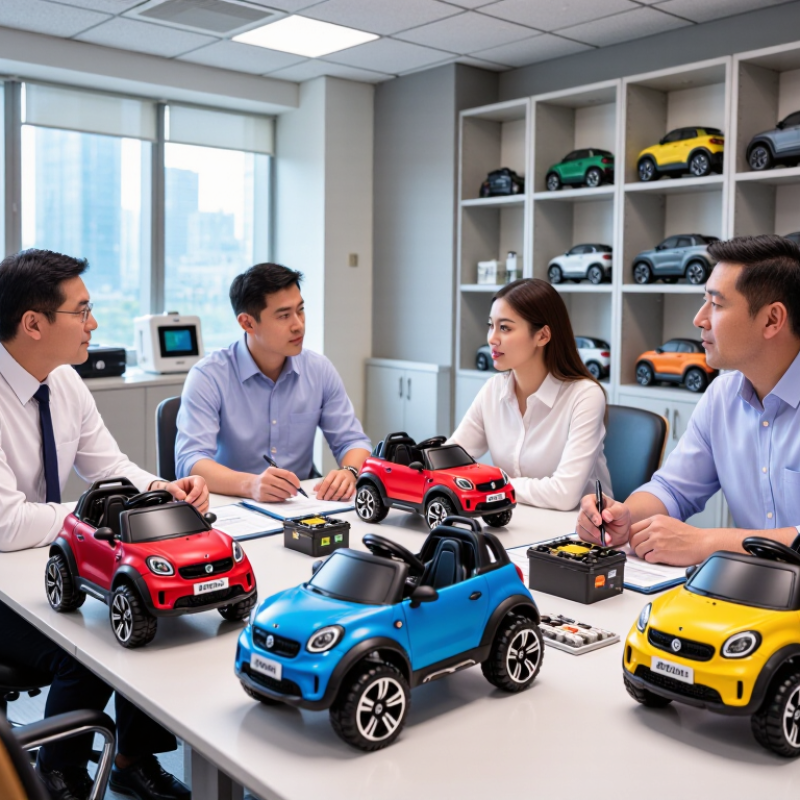
Understanding the Private Label Ride-On Toy Business in China
A private label ride-on toy business begins with a clear product brief, not a logo. Define the child’s age range, vehicle size, speed limits, battery type, charging method, and target market. Chinese manufacturers may offer ride-on cars, motorcycles, tractors, and animal-shaped models. Each design needs different tooling, packaging, and quality controls. Ask for factory photos, production records, material specifications, and recent test reports. A video call helps, but it does not replace an on-site audit.
Start with a functional sample. Test steering, braking, battery charging, plastic edges, seat strength, and remote-control response. Check the charger label carefully. Small details matter. A ride-on toy may pass a visual inspection but fail after repeated use. Independent testing should match the destination market’s toy, electrical, chemical, and labeling requirements. Confirm age warnings, user instructions, tracking information, and packaging language before mass production.
Private labeling also requires disciplined communication. Approve one signed sample and record every change, including color, decals, wheel material, and carton dimensions. A lower price can hide thinner plastic or weaker batteries. The first quotation is rarely the final cost. Tooling, inspection, spare parts, shipping space, and warranty handling may be missing. Some suppliers promise flexible customization, yet their production line supports only limited changes. That is an uncomfortable lesson, but it protects the business. Good partners explain limitations early and provide traceable quality records.
Starting a private label ride-on toy business in China begins with a clear product concept. Avoid designing for every child and every price level. Choose a specific use case, such as indoor driving for toddlers or outdoor play for older children. Define the toy’s size, speed, battery type, controls, colors, and safety features. A factory can build your idea, but unclear instructions create expensive revisions.
My first product concept would include a simple prototype, not only attractive drawings. Test the seat height, steering response, charging access, and wheel grip with real families. Record where children struggle. A quiet motor may matter more than extra lights in an apartment market. Your target customer is usually the parent, not the child. Study household space, income, buying habits, and concerns about storage. China-based suppliers can support sampling, material selection, packaging, and production checks, but written specifications remain essential.
Brand position should explain why customers should trust your product. You might focus on compact design, calm indoor play, durable materials, or thoughtful parental controls. Do not promise “the safest” without independent evidence. Use clear packaging language and provide practical instructions. Applicable toy safety requirements should guide materials, electrical parts, labeling, and testing. A compliance consultant or qualified testing laboratory can verify your assumptions. Pricing also shapes perception. A low price may attract attention, but weak packaging or inconsistent assembly can damage trust. Reconsider your concept after each test; the first version is rarely the best version.
How to Start a Private Label Ride On Toy Business in China?
Finding and Evaluating Qualified Chinese Ride-On Toy Manufacturers
A reliable ride-on toy manufacturer should provide clear factory information, not only attractive catalog photos. Request its business registration, production address, equipment list, and export experience. A video call can reveal useful details, such as assembly stations, battery storage, and quality inspection areas. Still, a video tour is not a factory audit.
Order samples before discussing large quantities. Check steering response, wheel alignment, charging time, battery protection, plastic edges, and remote-control performance. Ask for test reports, material specifications, user instructions, and traceable quality records. An independent laboratory can verify important safety requirements for your target market. Do not accept copied documents without checking their dates and product models.
Tips: Compare at least three factories. Use the same questions and sample requirements. Confirm minimum order quantities, tooling fees, packaging options, production lead times, and replacement policies in writing. Visit the factory when practical, or hire an experienced inspection company. My early mistake was trusting polished samples without testing repeated use. The toy looked excellent on day one. After several charging cycles, the battery connector became loose. This taught me to inspect durability, not appearance alone.
A capable supplier should explain how it handles design changes and private-label packaging. Ask who approves artwork, who checks carton dimensions, and how defective units are recorded. Small communication gaps can become expensive. Keep written specifications, approved samples, and inspection standards in one controlled file.
Suggested purchasing priorities when finding and evaluating qualified Chinese ride-on toy manufacturers
Product safety and regulatory compliance should receive the highest priority because ride-on toys contain moving parts, batteries, chargers and electrical systems. Quality consistency, factory capability, customization support, order flexibility and export experience are also important when building a private-label program.
A successful ride-on toy begins with controlled product design, not attractive packaging. Define the child’s age range, maximum load, speed, braking method, battery type, and charging limits. Request detailed drawings and material specifications from the Chinese manufacturer. Check pinch points, sharp edges, wheel stability, seat strength, and remote-control reliability. Our first prototype was too heavy for small children. That mistake changed the frame design.
Safety testing should match the countries where you plan to sell. Ask an accredited laboratory about applicable toy, electrical, battery, and electromagnetic requirements before production. Keep test reports, component records, inspection photos, and corrective-action notes in one technical file. A sample can pass testing while later production changes silently. Therefore, approve a “golden sample” and inspect random units before shipment. Requirements can change. Verify them again.
Tips: Put compliance duties into the supply contract. Require written approval before any material or component change. Check warning labels, manuals, packaging, and online listings for consistent information. Your private label should identify the responsible business accurately, without hiding the manufacturer’s traceability records. Visit the factory when possible, or hire an independent inspector. A low-cost inspection may prevent an expensive recall. Don’t trust promises alone. Evidence matters.
Starting a private label ride-on toy business in China requires more than choosing a colorful sample. Work with a factory that can show production records, material specifications, and previous export experience. Approve a golden sample before mass production. Record its dimensions, battery capacity, charger details, paint finish, and maximum load. Small differences can create expensive complaints.
Tips: Request a pilot batch before full production. Use an independent inspector to check assembly, wiring, welds, wheels, packaging, and warning labels. Test charging cycles and remote-control functions. Inspect cartons after stacking. A factory’s internal report is useful, but it should not be your only evidence.
Shipping needs careful planning. Confirm carton measurements, container loading, spare-part quantities, and delivery terms in writing. Moisture protection matters when cartons travel through humid ports. Keep replacement wheels, chargers, and fasteners available for early customer support. Build extra time into the schedule. Delays happen. I would not promise a launch date until the inspection passes and shipping documents are complete. An imperfect first forecast is better than a confident but unrealistic one.
For the market launch, create clear product pages with age guidance, charging instructions, safety warnings, assembly videos, and realistic delivery times. Collect feedback from supervised test users before scaling advertisements. A quiet motor may impress parents, while a strong battery may matter more to children. Do not assume the first design is right. Review returns, damaged parts, and customer questions weekly, then improve the next production order.
Prepare the child’s age range, vehicle size, speed limit, battery type, charger, and target market. A clear brief prevents costly misunderstandings.
Request business registration, production address, equipment details, export experience, and recent quality records. Factory photos help, but they do not replace an audit.
Samples reveal steering problems, weak seats, loose wheels, sharp edges, and poor remote-control response. Test repeated charging, not just appearance. Looks can mislead.
Record dimensions, color, decals, wheel material, battery capacity, charger details, load limit, and carton size. Keep one signed sample as the production reference.
Check wiring, braking, steering, wheels, plastic edges, charger labels, warning information, and packaging. Independent testing can verify requirements for the destination market.
Tooling, inspections, spare parts, packaging changes, shipping space, and warranty handling may be excluded. A cheap quote may hide thinner plastic or weaker batteries.
Confirm carton measurements, loading plans, delivery terms, moisture protection, and shipping documents. Keep spare chargers, wheels, and fasteners available for early customer problems.
Show age guidance, charging steps, safety warnings, assembly instructions, and realistic delivery times. Use clear photos. Avoid exaggerated claims.
Review returns, damaged parts, battery complaints, and customer questions every week. My early assumption was wrong: a beautiful sample did not prove durability.
Starting a private label ride-on toy business in China begins with a clear product concept, target customer, and brand position. Entrepreneurs should decide whether they will offer electric cars, trucks, motorcycles, or other ride-on products, while considering age suitability, design preferences, price range, and intended sales channels. A well-defined concept helps attract the right manufacturing partner and creates a strong foundation for product development.
To understand how to start a private label ride-on toy business, buyers should carefully evaluate qualified Chinese manufacturers based on experience, production capacity, communication, customization services, and quality systems. The process also includes managing product design, packaging, safety testing, labeling, and other compliance requirements for the target market. Before launch, businesses should establish clear production standards, conduct inspections and quality control, organize reliable shipping, and prepare marketing, inventory, customer support, and sales plans. Careful coordination at every stage can reduce risks and support a professional, trustworthy market launch.
