Toyo Drive
When parents notice that their child's ride-on car is losing power quickly, confusion often arises. Understanding "why is my ride-on car losing power quickly" can be a challenging endeavor. According to a report from the Toy Industry Association, nearly 30% of ride-on car owners experience power issues within the first two years of use, reflecting a significant concern in the toy industry.
Expert John Smith, a well-known authority in children's motorized toys, states, "The mechanics and battery health significantly impact the longevity of ride-on vehicles." Battery performance is crucial. Poor connections or low charge can lead to rapid power loss. Some parents might overlook simple maintenance, like cleaning terminals or ensuring the battery is fully charged.
Understanding these issues is vital for ensuring your child's ride-on vehicle functions optimally. Parents should explore battery care and mechanical checks regularly. Addressing these aspects can greatly enhance performance and safety. Ultimately, reflecting on these factors can help preserve the joy and excitement these toys bring.
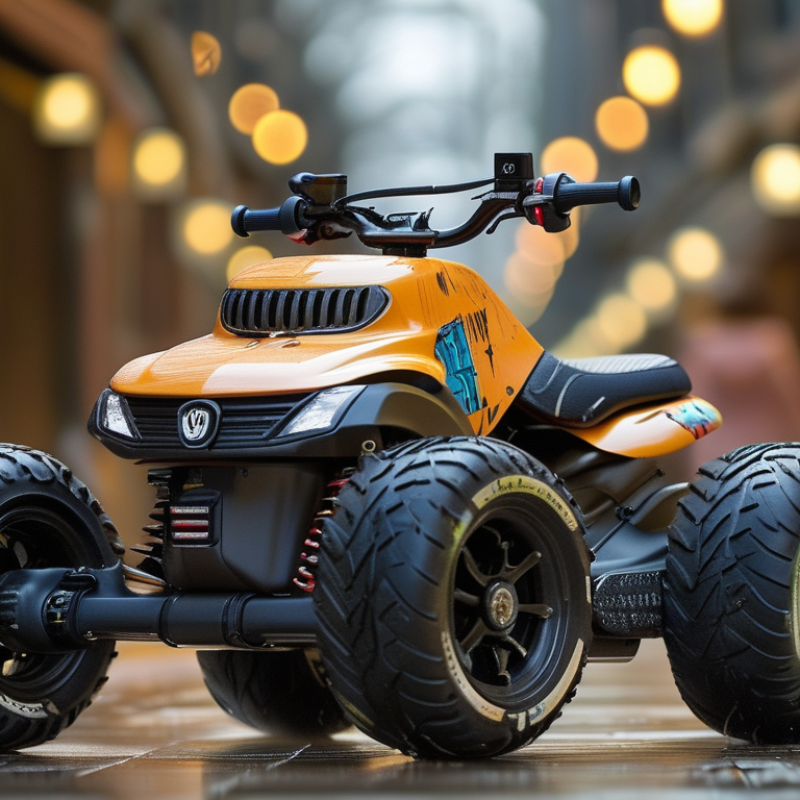
Power loss in ride-on cars can be frustrating for both kids and parents. One common cause is battery deterioration over time. According to industry reports, batteries typically last between 1 to 3 years, depending on usage and maintenance. Failing batteries can lead to rapid power loss and reduced performance.
Another issue might be the weight capacity of the ride-on car. If too many passengers or heavy items are loaded, the motor has to work harder, draining power quickly. Overloading can also cause mechanical wear, leading to malfunctions.
To extend battery life, regularly check the battery health. Clean the terminals and ensure proper connections. Regular maintenance, like lubricating moving parts and checking tire pressure, can also prevent power loss. Additionally, give your ride-on car regular breaks to avoid overheating. Monitor the total weight during play to maintain optimal performance. Small changes can yield significant improvements in power retention over time.
One of the most common signs that your ride-on car is losing power rapidly is reduced speed. If your child’s car can’t keep up with its usual pace, it’s a red flag. According to a report by the Toy Association, nearly 30% of ride-on car users encounter speed issues within the first year. A slow ride may indicate battery problems, motor malfunction, or mechanical issues.
Another indicator of power loss is a decrease in battery life. If you find that the car requires frequent recharging, this could imply that the battery is aging or malfunctioning. Studies show that the lifespan of a lead-acid battery, commonly used in ride-on cars, is typically around 1-2 years. If your ride-on vehicle struggles to stay powered for extended play sessions, it’s time to investigate the battery health.
Strange noises can also signal that something is off. Listen for grinding sounds or unusual clicks. These noises may suggest that gears or the motor are failing. Regular inspection and maintenance can prevent these issues from escalating. While it’s frustrating to encounter these problems, noticing the signs early can save time and money. Checking connections, ensuring clean battery terminals, and replacing old batteries can revitalize your ride-on car.
This chart illustrates the common reasons for power loss in ride-on cars and their frequency. Understanding these factors can help in troubleshooting and maintaining optimal performance for your ride-on car.
To keep your ride-on car running smoothly, routine maintenance is crucial. Regular checks can prevent unexpected power loss. Start by inspecting the battery. Ensure it is charged properly. A low battery can cause power dips. Test the battery regularly for optimal performance.
Next, check the connectors and wiring. Loose or damaged connections can lead to power loss. Look for frayed wires or corrosion at terminals. Cleaning and securing these connections can improve performance significantly. Additionally, examine the tires. Properly inflated tires enhance traction and minimize strain on the motor.
Don’t overlook the importance of a clean chassis. Dirt and debris can hinder movement and efficiency. Regularly clean the vehicle, paying attention to the wheels and undercarriage. This is often forgotten but essential for functionality. Reflect on these maintenance tips regularly to avoid frustrating power issues during playtime.
| Issue | Description | Solution | Frequency |
|---|---|---|---|
| Battery Drain | Rapid loss of power, especially when starting or accelerating. | Check battery connections and charge levels; replace old batteries. | Monthly |
| Motor Overheating | Car slows down after prolonged use. | Allow the motor to cool down; ensure vents are clean. | After each use |
| Tire Pressure | Power loss due to excessive rolling resistance. | Check and inflate tires to recommended pressure. | Weekly |
| Connection Issues | Inconsistent power delivery while driving. | Inspect and tighten all electrical connections. | Bi-weekly |
| Dirty Contacts | Intermittent power issues. | Clean electrical contacts with appropriate cleaner. | Monthly |
Weak battery performance in ride-on cars can be frustrating. Many parents face this issue, especially when the vehicle shows signs of losing power quickly. Studies indicate that approximately 40% of battery failures in children's electric toys stem from improper charging practices. Ensuring the battery is fully charged before each use can mitigate this issue. It's crucial to follow the manufacturer's guidelines to avoid overcharging or undercharging, which can severely shorten battery life.
Temperature fluctuations also play a significant role in battery performance. Data shows that batteries perform optimally at room temperature. Exposure to extreme heat or cold can reduce a battery's efficiency by up to 30%. Regularly monitoring the battery's condition is essential. Check for corrosion on terminals. This can cause connectivity issues and affect power levels. Cleaning the terminals can lead to improved performance.
Consider the usage patterns of the ride-on car. Continuous use in rugged terrain strains the battery more than flat surfaces do. A rigorous playing style can drain the battery quicker. Parents may find that shorter play sessions yield better battery longevity. Reflecting on these elements can enhance reliability and restore optimal performance for your ride-on vehicle.
Upgrading components in your ride-on car can significantly enhance its efficiency. One key area to consider is the battery. A higher-capacity battery can provide longer rides and better power delivery. Choosing the right battery type is crucial. Lithium-ion batteries, for example, are lighter and can hold a charge longer than traditional batteries. However, they may also require specific chargers, adding complexity.
Another critical upgrade is the motor. A more powerful motor can improve speed and handle various terrains better. Be mindful of the motor's compatibility with your car. It needs to fit physically and align with the electrical components. Sometimes, an upgraded motor may also require a better controller for optimal performance, which can further fine-tune your driving experience.
Additionally, don't overlook the wheels. Upgrading to high-quality, all-terrain tires can drastically enhance grip and traction. This can lead to a smoother ride, especially on uneven surfaces. It's important to test these changes to ensure they meet your expectations. Experiment with different combinations of components. Some may work better for your specific ride-on car than others. This reflective approach can guide you to the best setup.
: Reduced speed is a key sign. If the car can't keep up, it may have battery or motor issues.
The battery should be charged fully before each use to maintain performance.
Grinding sounds or unusual clicks may indicate failing gears or motor. Regular maintenance is important.
Extreme heat or cold can reduce battery efficiency by up to 30%. Room temperature is ideal for battery health.
Inspect battery connections and terminals. Corrosion can affect performance, so keep them clean.
Yes, playing in rugged areas strains the battery more. Consider shorter play sessions for better longevity.
Most lead-acid batteries last around 1-2 years before they start to decline.
Improper charging can severely shorten battery life and lead to performance issues.
Regular inspection and maintenance, along with properly managing charging practices, can enhance performance.
It may require further troubleshooting or professional help. Reflect on usage patterns and consider external factors.
Understanding "why is my ride-on car losing power quickly" is essential for ensuring optimal performance. Common causes of power loss may include battery issues, mechanical problems, or insufficient maintenance. Riders should be vigilant for signs like reduced speed or shorter usage times, indicating a rapid loss of power.
To combat these issues, routine maintenance is crucial. Regularly checking the battery's health and maintaining tire pressure can help prevent power loss. If performance remains weak, troubleshooting steps like inspecting connections or replacing aging components can improve efficiency. Upgrading to higher-quality batteries or motors may also enhance overall ride-on car performance, ensuring longer and more enjoyable outings for users.
