Toyo Drive Toyo Drive

How Long Do Ride On Car Batteries Last for Best Performance?

Time:2026-06-25 Author:Madeline
0%

When considering how long do ride-on car batteries last, industry expert Dr. Emily Carter emphasizes the importance of regular maintenance. She states, “A well-maintained battery can significantly extend its lifespan.” Typically, ride-on car batteries are designed to provide performance over time, but various factors can affect their longevity.

Battery life generally ranges from one to three years. The duration depends on usage frequency and storage conditions. For instance, frequent use in varying weather conditions can impact battery health. Charging habits also play a crucial role. Overcharging or undercharging can lead to premature failure.

Consumers should be aware of signs of battery wear. Reduced run times or strange noises can indicate the need for a replacement. While caring for the batteries might seem straightforward, many overlook crucial steps. Understanding how long do ride-on car batteries last helps in enhancing the overall experience, making it vital for parents and guardians. Reflecting on proper care can lead to better performance and prolonged battery life.
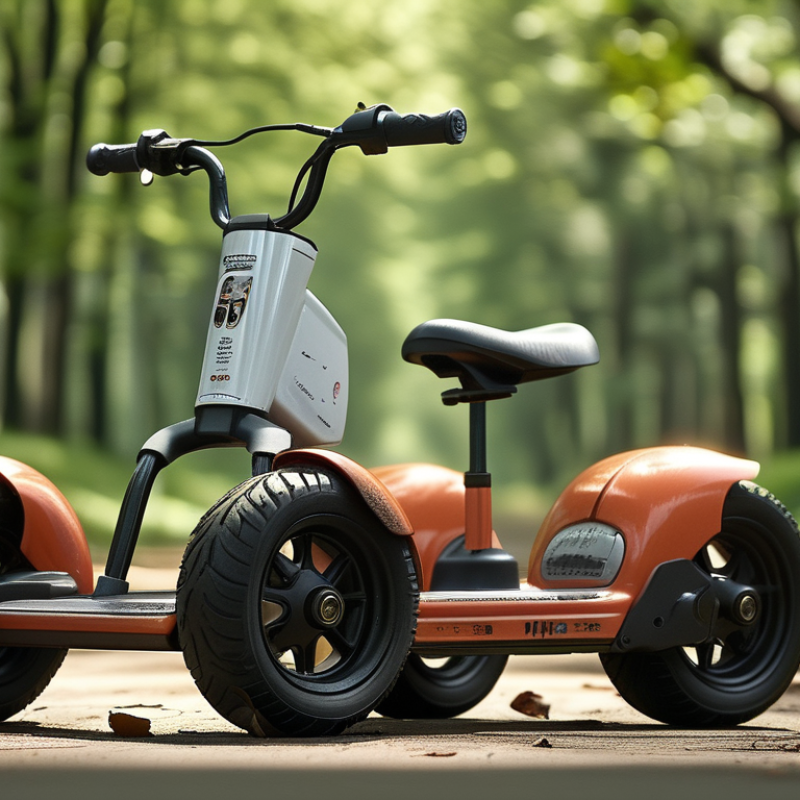
How Long Do Ride On Car Batteries Last for Best Performance?

Factors Affecting the Lifespan of Ride On Car Batteries

When considering the lifespan of ride-on car batteries, several factors come into play. Temperature is crucial. Extreme heat can cause batteries to degrade faster, while cold weather may hinder their performance. The type of battery also matters. Lead-acid batteries typically last shorter than lithium-ion alternatives. Regular usage can prolong battery life; infrequent use can lead to unexpected failures.

Proper maintenance significantly affects battery longevity. Regular cleaning helps prevent corrosion. It's vital to check connections for dirt or rust. Even small issues can lead to larger problems.

Tips: Avoid overcharging your battery. This practice can damage it over time. Store batteries in a dry, cool place when not in use. Aim for a balance between use and rest; too much or too little can shorten lifespan. Regular checks on voltage can help catch problems early, ensuring optimal performance for longer.

Typical Lifespan of Different Types of Ride On Car Batteries

When considering ride-on car batteries, understanding their lifespan is crucial. There are several types, and each has its unique characteristics. Lead-acid batteries tend to last between 1 to 3 years with regular use. They provide good power but can degrade quickly if not maintained properly.

Lithium-ion batteries are becoming more popular. They usually last 3 to 5 years or longer. Their efficiency and lighter weight make them appealing. However, improper charging can shorten their life. Users need to be aware of this risk.

Finally, sealed lead-acid (SLA) batteries offer a middle ground. Typically, they last around 2 to 4 years, depending on usage and care. These batteries require minimal maintenance but can still suffer from overcharging or environmental stress. It's important for parents to regularly check battery condition and performance. Not all batteries are equal, and choices matter.

Signs of Decreasing Battery Performance in Ride On Cars

Ride-on car batteries are essential for optimal performance. Over time, these batteries can show signs of wear. Understanding these signs is crucial for maintaining the vehicle’s functionality. Typically, ride-on car batteries last from 1 to 3 years, depending on usage and care.

One key indicator of battery performance decline is reduced run time. For instance, if a battery that usually lasts 2 hours only runs for 30 minutes, this is a red flag. Many reports suggest that batteries may lose approximately 20% of their capacity after a year of frequent use. Additionally, diminished charging efficiency is another important sign. If the battery charges to only 80% of its full capacity, an inspection may be necessary to assess the battery's health.

Physical signs must not be overlooked. Any swelling or leakage indicates damage. These issues not only affect performance but can pose safety hazards as well. Regular assessments of battery condition can save time and money later. Monitoring these aspects of battery health contributes to the longevity and effectiveness of ride-on cars.

Best Practices for Maintaining Ride On Car Batteries

Maintaining ride on car batteries is essential for their longevity and performance. Regular maintenance can extend battery life and improve safety. A well-maintained battery operates more efficiently and saves you from unexpected breakdowns. Keep these best practices in mind.

Tip: Always check battery terminals for corrosion. Corrosion can impede connection, reducing efficiency. Clean terminals using a mixture of baking soda and water. Make sure to disconnect the battery before cleaning and reconnect it afterwards.

Proper storage is crucial. When not in use, store the battery in a cool, dry place. Extreme temperatures can degrade battery life. Ideally, aim for temperatures between 32°F and 80°F. This helps preserve battery functionality during off-seasons.

Tip: Regularly check the fluid levels in your batteries. Low levels can lead to overheating and short circuits. If the levels are low, add distilled water to the recommended level. Monitoring fluid can seem tedious, but it’s a simple step that prevents costly issues.

When to Replace Your Ride On Car Battery for Optimal Performance

When considering the optimal performance of ride-on car batteries, knowing when to replace them is crucial. Most ride-on car batteries have a lifespan of about two to four years, depending on usage patterns. A report from the Battery Council International states that batteries should ideally be checked after 300 charge cycles. This frequency helps maintain performance levels and prolong battery life.

Signs of battery degradation include diminished run time and slower speeds. Regularly check the voltage to gauge health. A fully charged battery typically shows around 12.6 volts. If readings drop below 12 volts, it's time to think about replacement. Furthermore, environmental factors, such as extreme temperatures, can affect a battery's efficiency. A study from the Journal of Power Sources indicates that heat can accelerate battery aging by up to 20%.

Inadequate maintenance can lead to premature battery failure. For example, leaving a battery uncharged for extended periods can reduce its capacity. Reflecting on charging habits may reveal potential issues. Keeping a log of usage and charging can help in understanding when replacements are needed. Ensuring optimal battery management will enhance the performance and longevity of ride-on vehicles.

FAQS

: What is the typical lifespan of lead-acid batteries?

: Lead-acid batteries usually last between 1 to 3 years with regular use.

How long do lithium-ion batteries last?

Lithium-ion batteries often last 3 to 5 years or longer, depending on care.

What is a sign of reduced battery performance?

A key sign is a reduced run time. For example, lasting only 30 minutes instead of 2 hours.

How can I check if my battery is working properly?

Check if it charges fully. If it only reaches 80% capacity, it may need inspection.

What are physical signs of battery damage?

Look for swelling or leakage. These indicate damage and safety hazards.

Why is battery maintenance important?

Regular checks can prevent performance issues and extend battery life.

How does overcharging affect battery life?

Overcharging can shorten battery life and affect overall performance.

What happens if my battery is not maintained?

Neglecting maintenance leads to quicker degradation and potential safety risks.

Can a battery lose capacity over time?

Yes, many batteries lose about 20% capacity after frequent use in a year.

What type of battery requires minimal maintenance?

Sealed lead-acid (SLA) batteries require less maintenance but still need checks.

Conclusion

The article titled "How Long Do Ride On Car Batteries Last for Best Performance?" explores the key factors that influence the lifespan of ride-on car batteries, such as usage patterns, charging habits, and environmental conditions. It discusses the typical lifespan of different types of batteries, providing insights into how long do ride-on car batteries last based on their specific designs and materials.

Furthermore, the article highlights the signs that indicate declining battery performance, helping owners recognize when their batteries may be underperforming. Best practices for battery maintenance, including proper charging and storage techniques, are shared to extend battery life. Finally, it advises on when to replace a ride-on car battery to ensure optimal performance, allowing users to make informed decisions about their battery care.

Madeline

Madeline

Madeline is a dedicated marketing professional with a wealth of expertise in our company's core offerings. With a keen understanding of the industry, she brings a unique perspective to her role, consistently delivering high-quality content that highlights the superior aspects of our products. As......