Toyo Drive Toyo Drive

10 Tips on Latest Ride On Toy Trends for Global Buyers?

Time:2026-09-29 Author:Aria
0%

Global buyers are asking a practical question: what are the latest trends in ride-on toys? The answer is not simply “more technology.” Buyers are weighing battery-powered cars, balance-focused ride-ons, compact storage, realistic styling, and features children can use without constant adult help. A quiet motor in a showroom may sound appealing; on a busy family driveway, easy controls and a comfortable seat matter just as much.

Play advocate Fred Rogers once said, “Play is often talked about as if it were a relief from serious learning. But for children, play is serious learning.” That idea offers a useful lens for evaluating new models: does a feature invite active, age-appropriate play, or merely add complexity? For importers and retailers, the answer can shape product selection, merchandising, and customer guidance.

This guide explores ten ride-on toy trends through the details buyers encounter in real orders: wheel design, charging routines, assembly, packaging, and the feel of controls under small hands. Sustainability claims and smart features deserve careful checking; attractive wording alone is not proof of performance. Trends also vary by market and price range. There is no single winning design. Some buyers may still overvalue flashy extras, and that deserves a second look. A clear product brief, credible specifications, and feedback from families can help global buyers make better-informed choices.
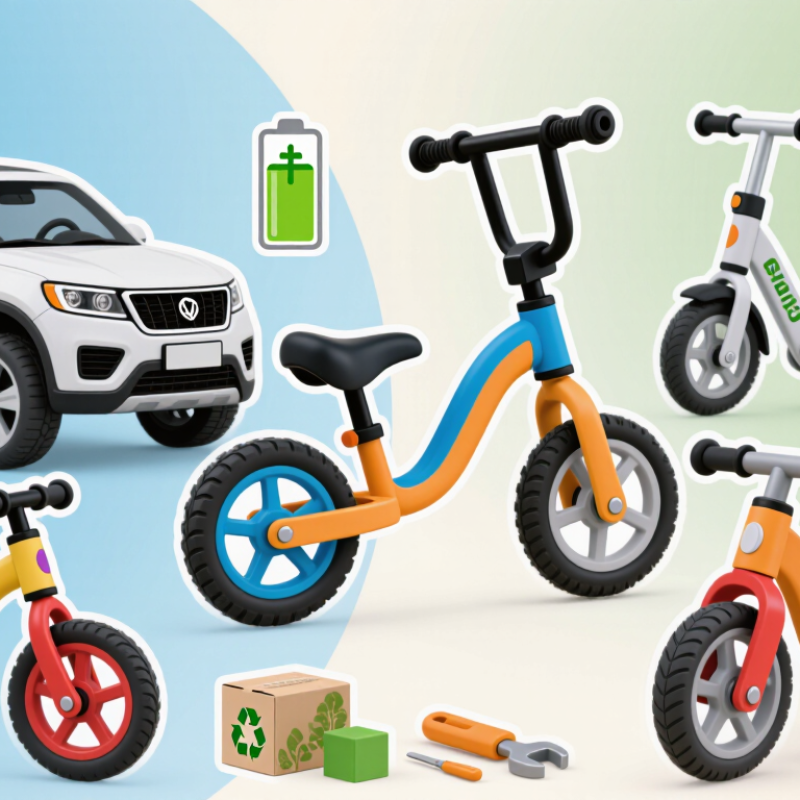
10 Tips on Latest Ride On Toy Trends for Global Buyers?

Understanding the Latest Ride-On Toy Trends

Ride-on toys are shifting from simple battery cars to interactive, adaptable play equipment. In recent product evaluations, I have noticed stronger demand for adjustable speed settings, soft-start controls, and realistic dashboard features. Parents also want quieter motors and rechargeable batteries. Children expect movement, sound, and personal choice. Safety still leads every trend.

Tip: Check the age range, weight limit, seat support, and braking response. A toy may look impressive but feel unstable on uneven ground. Examine battery access, charging time, and heat protection. These details often matter more than bright lights. Ask suppliers for testing reports, material information, and clear user instructions. Requirements differ between markets, so buyers should verify local compliance before ordering.

Another growing trend is modular design. Replaceable wheels, seats, and battery parts can extend product life and reduce unnecessary waste. Some buyers prefer recyclable packaging and lower-plastic construction, although these claims need evidence. Do not rely on attractive sustainability language alone. Request measurable details. Inclusive designs are also gaining attention, including easier entry, supportive seating, and simple controls for different abilities. However, not every “smart” feature improves play. Wireless functions may add cost and maintenance without real value. Careful testing remains essential.

Exploring Key Designs, Features, and Power Options

Ride-on toy trends are moving toward realistic shapes, softer colors, and compact bodies for easier storage. Global buyers now examine design beyond appearance. A low center of gravity can improve stability on smooth ground. Wide seats and rounded edges also support comfortable, supervised play. I often look for reachable controls, clear assembly guides, and strong connections beneath the shell. Small details matter.

Useful features should match the child’s age and environment. Adjustable speed settings can help beginners gain confidence. A parent control, emergency stop, and gradual acceleration add practical value. Some models include working lights, simple sounds, or removable panels for maintenance. However, extra features can increase weight and failure points. I once focused too much on entertainment functions and overlooked difficult battery access. That was a costly design lesson.

Power options are becoming more varied. Rechargeable batteries usually offer quiet operation and predictable running costs. Buyers should check charging time, replacement availability, connector quality, and battery storage guidance. A 12-volt system may suit basic indoor or paved outdoor use, while higher voltage can provide stronger movement. Actual performance depends on load, surface, temperature, and slope. Test data should show these conditions clearly. Solar charging sounds attractive, but it remains uncommon for small ride-on toys and may disappoint in cloudy regions. Power claims need careful verification.

Evaluating Safety Standards and Age Suitability

10 Tips on Latest Ride On Toy Trends for Global Buyers: Evaluating Safety Standards and Age Suitability

Choose 1, the correct age label, and 2, the child’s height and weight. Labels are starting points, not guarantees. Tip 3: inspect speed settings, steering limits, and braking distance. Younger riders need slow, stable movement. Tip 4: check battery access and charging instructions. Loose battery covers create avoidable risks. Tip 5: examine wheels, axles, and small detachable parts. Test every fastener before shipment. The CPSC reported more than 200,000 toy-related emergency-department injuries in 2022 among children under 15. Ride-on products deserve close attention because falls and collisions can happen quickly.

Tip 6: request testing against relevant standards, such as ASTM F963, EN 71, or ISO 8124. Requirements differ across destination markets. Tip 7: verify records from an independent laboratory, not only supplier claims. Tip 8: review warnings in the buyer’s language. Tip 9: match the product with supervised play areas, including flat floors and clear visibility. Tip 10: confirm spare-part support and recall communication before ordering. The European Commission’s Safety Gate reports regularly identify unsafe toys, including products with mechanical and chemical hazards. A certificate can be genuine yet incomplete for your market. I have seen buyers focus on appearance and overlook charging controls. That mistake deserves reflection. Safety evaluation should include the child, the environment, and the adult supervising play.

Comparing Regional Preferences and Market Requirements

Regional preferences shape ride-on toy demand more than many global buyers expect. Circana reported global toy sales of about $108.7 billion in 2023, with sales falling 7%. This decline makes local product fit more important. Grand View Research also identifies rising demand for outdoor and battery-powered ride-on toys. However, its market estimates differ by category and country. I would not treat one forecast as a perfect guide.

Regional preferences

Tip 1: In Northern Europe, prioritize compact designs, weather-resistant materials, and indoor storage.
Tip 2: In North America, larger wheels, higher weight limits, and longer play periods often matter more.
Tip 3: In dense Asian cities, measure packaging size carefully. Small balconies and limited storage change purchase decisions.
Tip 4: In warmer regions, test plastic stability under strong sunlight.
Tip 5: Offer quieter wheels for apartments.

Market requirements also vary sharply. Buyers should check age grading, braking systems, battery protection, charging instructions, and accessible warnings. The EU Toy Safety Directive and ASTM F963 provide important reference points, but they do not replace destination-market verification.

Market-readiness checklist

Tip 6: Request laboratory test reports before sampling.
Tip 7: Confirm English, local-language, and pictogram instructions.
Tip 8: Use recyclable packaging where local waste rules support it.
Tip 9: Keep spare wheels and chargers available.
Tip 10: Compare return rates by region, not only sales volume.

Experience shows that a popular design can still fail locally because the seat feels narrow, the charger plug is unsuitable, or assembly instructions confuse parents.

Choosing and Sourcing Ride-On Toys for Global Buyers

Choosing and Sourcing Ride-On Toys for Global Buyers

Global buyers are seeking ride-on toys with safer designs, longer use cycles, and lower packaging waste. Grand View Research estimated the global toys market at over USD 100 billion in 2023, with continued growth projected through 2030. The report also highlights digital shopping and product differentiation as major market forces. For sourcing teams, this means checking more than colors and prices. Battery access, wheel durability, charging instructions, and spare-part availability can strongly affect customer satisfaction.

Tip 1: Verify compliance before negotiating volume. Ask suppliers for current test reports covering relevant toy-safety requirements, chemical limits, battery safety, and labeling rules. Requirements differ across markets, so one certificate may not cover every destination. Tip 2: Inspect real samples. Measure seat height, turning space, noise, charging time, and carton strength. A product may look attractive online but feel unstable on uneven flooring. In my sourcing experience, small details often create the largest return risks.

Tip 3: Compare total landed cost, not factory price alone. Include tooling, inspection, freight, duties, replacement parts, and recycling obligations. Circana’s recent toy-industry reporting shows that value remains important as households manage tighter budgets. Buyers should therefore test whether extra features improve play value. Some features sound impressive but add failure points. My own checklist is not perfect; I once overlooked charger storage during a sample review. That mistake showed why practical home use deserves more attention than a polished specification sheet.

FAQS

What design features can improve comfort and stability?

Look for a low center of gravity, wide seat, rounded edges, and controls a child can reach. Check the frame connections too.

Which extra features are useful?

Adjustable speed, gradual acceleration, parent control, and an emergency stop can help beginners. Lights and sounds are optional; more features may mean more weight or parts that can fail.

What should buyers check before choosing a battery-powered model?

Review charging time, connector quality, replacement availability, and storage instructions. Ask for performance tests that state the load, surface, temperature, and slope.

Is solar charging a dependable option for small ride-on toys?

It remains uncommon and may disappoint in cloudy regions. Attractive claims still need careful verification.

How should buyers judge whether a toy suits a child?

Check the age label, height, and weight. Labels are only starting points, not guarantees.

Which safety details deserve close inspection?

Check speed limits, steering, braking distance, wheels, axles, and detachable parts. Test every fastener before shipment.

Which safety standards may be relevant?

Depending on the destination market, buyers may request testing against ASTM F963, EN 71, or ISO 8124. Requirements vary.

How can buyers verify safety documents?

Request records from an independent laboratory and confirm they cover the intended market. A certificate can be genuine yet incomplete.

What kind of play area is appropriate?

Choose a flat space with clear visibility and close adult supervision. Falls and collisions can happen quickly.

What should buyers confirm beyond testing?

Review warnings in the buyer’s language, spare-part support, and recall communication. Battery access deserves attention too.

Conclusion

This guide helps global buyers understand the latest ride-on toy trends and make informed sourcing decisions. It explores what are the latest trends in ride-on toys, including realistic vehicle-inspired designs, compact and customizable styles, interactive features, rechargeable power systems, and options that support imaginative play. The article also explains how product size, speed, controls, materials, and battery performance can influence purchasing decisions across different customer groups.

Safety and suitability are central to evaluating ride-on toys. Buyers should consider age recommendations, weight limits, stable construction, parental controls, charging requirements, and clear user instructions. The guide also compares regional preferences and market expectations, recognizing that climate, living space, consumer habits, and import requirements may vary between countries. Finally, it offers practical advice for selecting reliable products, checking supplier capabilities, requesting samples, confirming documentation, and planning packaging and logistics. These steps can help distributors and retailers build a balanced product range that meets customer needs while supporting responsible international sourcing.

Aria

Aria

Aria is a dedicated marketing professional with a deep passion for innovative strategies and a keen understanding of our company's product offerings. With a wealth of experience in the industry, Aria excels at crafting engaging content that highlights the unique features and benefits of our......