Toyo Drive
When it comes to electric ride-on cars, many parents face common issues. These vehicles can bring joy to children, but they occasionally break down. Understanding how to repair an electric ride-on car can help save time and money. Expert technician Emma Carter advises, "Simple repairs can make or break the experience for kids." Her insight points to the importance of knowing what to do when problems arise.
In many cases, the issues are minor. A loose wire or a dead battery often causes the malfunction. Learning the basics of troubleshooting can empower parents. It allows them to address issues before they escalate. Various online resources can provide guidance, and having a toolkit at hand is practical.
Yet, not every repair goes smoothly. Parents may find themselves stuck at times, uncertain of their next steps. Understanding this reality is essential. Mistakes can happen, even with the best intentions. Embracing the learning process is key. With patience and practice, families can master how to repair an electric ride-on car effectively. This knowledge transforms challenges into rewarding experiences, strengthening the bond between parent and child.
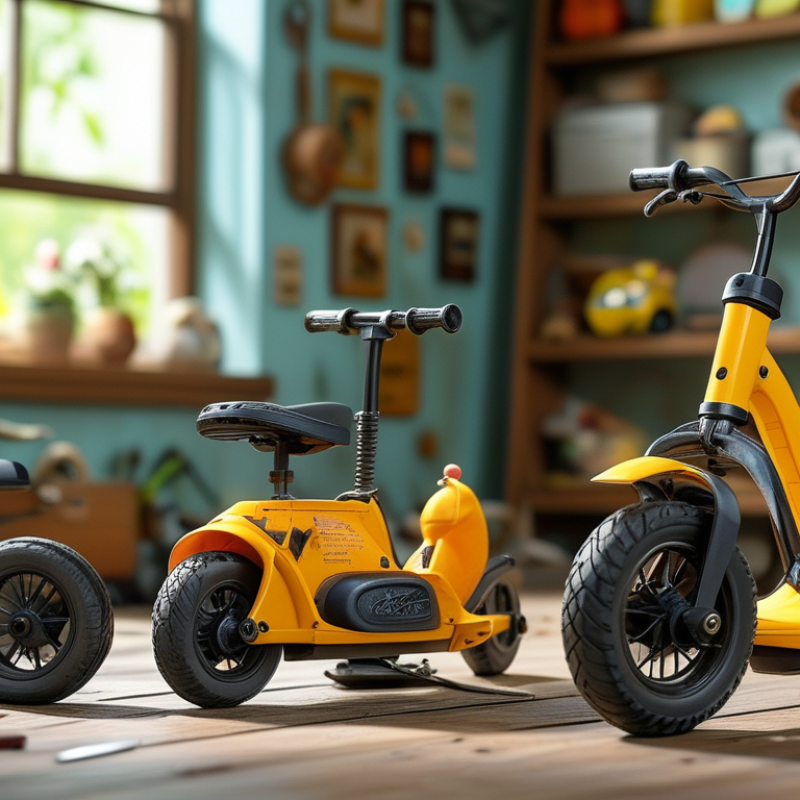
Electric ride-on cars can provide hours of fun, but they can face common issues. Understanding these problems is crucial for effective repairs.
One frequent problem is battery failure. If the car isn’t charging, check the connections. Clean any corrosion and ensure a tight fit. A weak battery may need replacement. Consider investing in a higher-quality battery for longer playtime.
Another issue is malfunctioning motors. If the car moves erratically or not at all, inspect the motor connections. Loose wires may cause functionality problems. Inspect the gears for blockages, too. Sometimes, a simple cleaning can bring the motor back to life.
Tips: Regular maintenance is essential. Keep the car clean and dry to avoid rust and wear. Check for wear and tear regularly. If repairs seem overwhelming, seeking professional help is advisable. Remember, patience is key in troubleshooting these vehicles.
When dealing with electric ride-on car repairs, having the right tools is crucial. A basic toolkit should include screwdrivers, pliers, and wrenches. These will help you address common issues. Battery testers are essential. They check if the battery is holding a charge. A multimeter can further diagnose electrical problems. Ensure these tools are always within reach when you’re preparing to fix any issues.
Materials also play a significant role in effective repairs. Insulated wires are important for connecting components safely. Keep spare fuses handy. They often blow when there's a short circuit. If you notice any wear on the wiring harness, replacing it can be a wise choice. Adhesive tape can help temporarily hold components in place while you work.
It’s beneficial to regularly assess the tools and materials used for repairs. Sometimes, old tools can be less effective, leading to frustration. Replacing them might improve your repair experience. Don’t hesitate to seek guidance if you encounter complex issues. Repairing an electric ride-on car can be straightforward with the right resources. Make sure you’re prepared before diving into repairs.
Diagnosing electrical problems in electric ride-on cars requires attention and methodical steps. According to a report by the Consumer Product Safety Commission, nearly 20% of ride-on car issues stem from electrical failures. Start by visually inspecting the car's wiring. Look for any signs of wear or corrosion. These can lead to short circuits or loss of power, which are common problems.
Next, check the battery connections. A loose or dirty connection can cause significant issues. Use a multimeter to test the battery voltage. Reports indicate that batteries lose efficiency over time, which can result in low power output. If the voltage is low, it may be time to replace the battery.
After these diagnostics, try to identify other potential culprits—like the motor or controller. A faulty motor can make a ride-on car unresponsive. Often, issues lie in the controller wiring, which can become unplugged or damaged. Keeping these components in good shape ensures a reliable and enjoyable ride. Remember, even small imperfections can lead to greater problems down the line. Regular checks are essential for longevity and effectiveness.
Electric ride-on cars provide joy for children and can be a great investment.
However, issues with the battery and charging system can arise. Identifying these problems is essential to keep the ride-ons functional.
Start by examining the battery connections. Loose or corroded connections can cause power issues.
Make sure to tighten any loose wires and clean off any corrosion. Sometimes, checking the battery voltage with a multimeter can reveal whether it’s fully charged or needs replacement.
A dead battery is often a common reason for malfunction. If the battery shows low voltage, consider replacing it.
Next, focus on the charger. Inspect it for any visible damage. A faulty charger will not transfer power efficiently.
Test the charger to ensure it functions correctly. If nothing seems off with the battery or charger, look at the fuse.
A blown fuse can interrupt power flow. Replacing it might just be the solution.
Tackle these issues step by step to diagnose effectively.
When repairing electric ride-on vehicles, safety precautions are paramount. According to industry data, over 60% of accidents during repairs are due to improper safety measures. Always wear goggles and gloves when working on batteries. These components can leak acid, and fumes pose health risks.
It’s crucial to work in a well-ventilated area. Poor air circulation can exacerbate exposure to fumes. Additionally, disconnecting the battery before starting repairs can prevent electrical shocks. Children’s electric vehicles often have various electronic components, which can be sensitive. Improper handling may lead to further damage, so remain cautious.
Regular maintenance checks can prevent serious issues. Reports show that neglecting routine care results in a 20% increase in repair expenses. Some problems might seem minor initially but can escalate if not addressed promptly. Reflection on past repairs helps identify common pitfalls. Avoid rushing through steps; take your time to ensure every part is secure and functional.
: Check the battery connections for corrosion. Clean them and ensure a tight fit.
Use a multimeter to check the voltage. If it's low, consider getting a new battery.
Inspect the motor connections and gears. Loose wires or blockages can cause such issues.
A screwdriver, pliers, and a wrench are essential. A battery tester and multimeter help diagnose issues.
Keep the car clean and dry. Regular maintenance checks are crucial for longevity.
Replace it to ensure safe and effective connections. Don't overlook this detail.
If repairs feel overwhelming, it’s wise to seek professional guidance. Patience is critical in troubleshooting.
A damaged charger will not transfer power efficiently. Inspect and test it to ensure it works.
Regularly assess your tools. Old or ineffective tools can lead to frustration during repairs.
Adhesive tape can be effective for temporarily securing parts while you work on repairs.
In the article "How to Fix Your Electric Ride on Car Easily and Effectively," readers will learn how to repair an electric ride-on car by understanding the common issues that may arise with these vehicles. The guide outlines essential tools and materials needed for effective repairs, ensuring that enthusiasts are well-prepared before beginning any maintenance work.
The step-by-step approach focuses on diagnosing electrical problems and troubleshooting battery and charging system failures. Additionally, the article emphasizes important safety precautions to follow while repairing electric ride-on vehicles, promoting a safe and efficient repair process. By following this comprehensive guide, individuals can confidently tackle repairs and enjoy the longevity of their electric ride-on cars.
