Importing ride-on toys can look simple from a product catalogue. A glossy vehicle, a rechargeable battery, and a competitive price may seem enough. They are not. Distributors must examine safety, quality, documentation, and after-sales support before placing a large order.
So, what should distributors know before importing ride-on toys? They should verify age grading, speed limits, battery protection, charger quality, braking performance, and structural strength. A sample that performs well in a showroom may fail after repeated outdoor use. Check the wheels, steering joints, seat supports, and wiring closely. Ask the manufacturer for current test reports, material details, inspection records, and clear user instructions. Independent laboratory testing can reveal problems that factory photographs cannot show.
Joan Lawrence, a respected toy-safety specialist and former standards executive at The Toy Association, has emphasized: “Safety is not a one-time check; it is a process.” That principle matters throughout sourcing, production, shipping, and customer service. Distributors should also review factory controls, spare-part availability, packaging damage risks, and complaint procedures. Keep batch records and inspect random units before shipment. Small warning labels can prevent serious misunderstandings.
Price still matters. It should not lead the decision.
A practical mistake is trusting polished samples too quickly. I have seen buyers focus on colors and branding while overlooking chargers, manuals, and replacement parts. That approach deserves reflection. A reliable distributor builds a repeatable approval process, documents every decision, and treats child safety as a commercial responsibility, not merely a compliance task.
Defining Product Types, Age Ranges, and Intended Users
What Should Distributors Know Before Importing Ride On Toys?
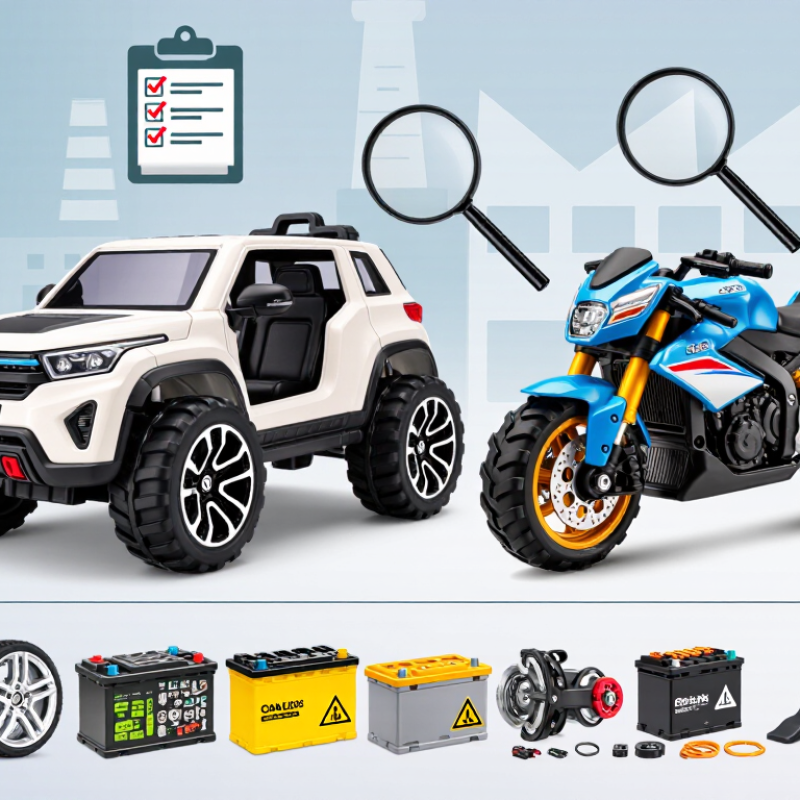
Before importing ride-on toys, distributors should define each product by movement, power, and intended user. Push-and-ride models usually serve toddlers developing balance and coordination. Pedal vehicles require stronger leg control and clearer steering. Battery-powered vehicles need separate checks for speed, charging, weight, and operating space. Age labels alone are not enough. A lightweight toy may suit a four-year-old, while a taller child may outgrow it quickly.
The U.S. CPSC’s 2023 Toy-Related Injuries report estimated 231,150 toy-related emergency-department injuries. Children under five represented about 33 percent of those cases. This supports careful age grading, not vague packaging. Circana reported that U.S. toy sales fell 8 percent in 2023, reaching approximately 28.6 billion dollars. Distributors therefore need sharper product positioning, especially when families compare price, lifespan, and safety features. The primary user is the child, but the purchaser is usually an adult. The supervising adult also matters. Product descriptions should state rider age, height, maximum weight, surface conditions, and supervision needs. ASTM F963 testing and destination-market requirements should guide the technical review. In practical sourcing, I would also request battery specifications, charging instructions, and component durability records. A simple age label is convenient. It can still mislead. Some products look suitable for toddlers but feel too fast indoors. Others appear exciting but offer limited value after a few months. That judgment deserves more attention.
Checking Safety Standards, Certifications, and Import Requirements
Before importing ride-on toys, distributors should verify the safety rules in the destination market. Requirements may cover age grading, speed limits, stability, braking, sharp edges, small parts, and battery protection. Do not rely on a supplier’s sales description. Request current test reports from an accredited laboratory and check whether they match the exact model, motor, battery, charger, and packaging.
Certifications must be valid and traceable. Confirm the testing standard, report number, laboratory details, and issue date. Also review labels, warnings, instructions, and tracking information before shipment.
Import documents may include commercial invoices, packing lists, bills of lading, product classifications, and conformity records. Customs delays often begin with inconsistent descriptions or missing battery details. A certificate alone is not enough. Standards can also change, so an old report may need review.
Tips:
Build a model-specific compliance file. Keep test reports, supplier declarations, artwork, inspection photos, and shipping records together.
Ask for a pre-shipment inspection, including brake performance, wheel alignment, charging behavior, and visible damage. Check one packed unit, not only a sample taken from production.
This small difference matters. In practice, distributors sometimes trust familiar suppliers too quickly. That is worth reconsidering. A careful review costs less than recalls, rejected cargo, or damaged customer trust.
Evaluating Suppliers, Product Quality, and Factory Reliability
Before importing ride-on toys, distributors should evaluate the supplier beyond pricing and product photos. Request a physical sample and inspect its frame, welds, wheels, seat edges, battery compartment, and charger connection. Small defects often appear around screws, hinges, and painted surfaces. Ask for material specifications, product test reports, inspection records, and clear traceability for key components. A professional supplier should explain how defects are identified and corrected, not only provide attractive documents.
Factory reliability requires evidence over promises. Review production capacity, quality-control checkpoints, worker training, and maintenance records. Confirm whether the factory controls assembly or outsources important steps. Ask for previous shipment records, realistic lead times, carton dimensions, spare-part support, and a written process for handling complaints. A clean showroom proves little. During a video or in-person audit, watch the packing area, sample checks, and battery storage. No inspection method is perfect. Even experienced buyers can overlook inconsistent labeling or weak packaging.
Tips: Compare the approved sample with mass-production units. Use independent pre-shipment inspections when order value is significant. Test several cartons, not just one. Keep signed specifications, photos, and corrective-action records. If a supplier avoids simple questions, pause the order. I would also leave time for rework; urgent schedules often hide preventable quality problems.
Planning Costs, Shipping, Customs, and Inventory Management
Importing ride-on toys requires more than comparing supplier prices. Distributors should calculate the full landed cost before placing an order. Include product prices, packaging, inspection, inland transport, ocean or air freight, insurance, duties, taxes, and warehouse handling. A toy priced at 80 dollars may cost 115 dollars after delivery. Small charges can quietly damage your margin.
Shipping plans should match the selling season. Confirm carton dimensions, gross weight, pallet limits, and port schedules before booking freight. Customs documents must describe the products accurately and include correct product codes, invoices, packing lists, and origin information. Safety testing and labeling requirements may vary by destination, so consult qualified customs and compliance professionals. Missing one document can delay a container for days. Sometimes, even careful estimates fail because freight rates change suddenly.
Tips: Keep a 10–15% contingency fund for unexpected costs. Order samples and inspect battery compartments, wheels, chargers, and packaging. Avoid filling a warehouse with one popular color. Review sales data weekly and reorder proven models in smaller batches. Set minimum and maximum stock levels for each item. This reduces dead inventory, but the method is not perfect. Seasonal demand can still surprise you. Leave space for returns, replacement parts, and damaged cartons. A simple inventory spreadsheet can track incoming units, reserved stock, sales, and slow-moving products.
Preparing for Local Sales, Warranty Service, and Regulatory Compliance
Distributors should treat local sales preparation as an operating system, not a final checklist. In the United States, ASTM F963-23 became mandatory for toys on April 20, 2024, according to the U.S. Consumer Product Safety Commission. Ride-on models also need clear age grading, stability testing, battery protection, charger instructions, and accessible warnings. Requirements may differ by state, country, and sales channel. Translate every safety instruction naturally, not word for word.
Warranty service can decide whether a first shipment becomes a repeat order. Keep replacement wheels, fuses, switches, chargers, and battery connectors locally. A practical service file should record the serial number, purchase date, fault description, repair action, and returned parts. The 2023 CPSC Toy-Related Deaths and Injuries report estimated 231,700 toy-related emergency department injuries among children under 15 in the United States. That figure is not specific to ride-on toys, but it shows why complaint tracking deserves serious attention. Set response targets, yet leave room for complex battery faults.
Regulatory evidence should be ready before customs clearance and local advertising. Maintain test reports, bills of materials, chemical declarations, electrical records, and supplier change notices. In Europe, review the Toy Safety Directive, relevant EN 71 requirements, battery rules, and local language obligations. The EU Safety Gate 2023 report recorded 3,412 alerts for dangerous non-food products, with toys among the frequently notified categories. Documentation can still contain gaps. A missing charger report or outdated warning label may delay launch. Small distributors often underestimate storage conditions, technician training, and disposal procedures. That mistake is expensive.
What Should Distributors Know Before Importing Ride-On Toys?
Preparing for local sales, warranty service, and regulatory compliance
Key takeaway: In the United States, European Union, Canada, and Australia, toy safety rules commonly apply enhanced small-parts and age-related requirements to products intended for children under 36 months. Before importing ride-on toys, distributors should confirm the intended age grade, complete the applicable safety testing and technical documentation, prepare local labeling, and establish a practical warranty and spare-parts process.
The 36-month threshold is a regulatory age reference, not a warranty period. Requirements may differ according to product design, intended use, jurisdiction, and classification.
Regulatory references: U.S. 16 CFR Part 1501 and ASTM F963 requirements; European Toy Safety Directive 2009/48/EC; Canada Toys Regulations SOR/2011-17; Australian mandatory toy safety requirements based on AS/NZS ISO 8124.
FAQS
Define its movement, power source, intended age, height range, weight limit, and riding surface. Push models support balance. Pedal models need stronger leg control. Battery models require extra checks.
Children of the same age can differ greatly in height, strength, and coordination. A lightweight toy may suit one child but feel cramped for another. The label helps, but it can still mislead.
State the rider’s age, height, maximum weight, surface conditions, and supervision needs. Mention indoor space clearly. A fast toy may feel unsuitable in a small room.
Review stability, speed, braking, sharp edges, small parts, battery protection, and steering control. Check wheel alignment and visible damage. Small details matter.
Request current reports from an accredited laboratory. Confirm the exact model, motor, battery, charger, and packaging. Check the report number, testing standard, laboratory details, and issue date.
No. Certificates need matching products, correct labels, warnings, instructions, and traceable records. Destination-market requirements may change. An old report may need another review.
Keep test reports, supplier declarations, product artwork, inspection photos, invoices, packing lists, and shipping records. Include battery specifications and charging instructions. Keep everything together.
Inspect brake performance, wheel alignment, charging behavior, packaging, and visible damage. Check one fully packed unit. A production sample alone may not reveal packing problems.
Families compare price, lifespan, safety features, and available riding space. An exciting toy may lose value after a few months. That judgment deserves more attention.
Conclusion
Before entering the ride-on toy market, distributors should first define the product category, power type, age range, weight limit, and intended users. Clear product positioning helps determine suitable designs, safety features, packaging, and sales channels. They should also review applicable safety standards, testing procedures, labeling rules, and import documentation in the destination market. The keyword what should distributors know before importing ride-on toys can be answered by focusing on product safety, legal readiness, and reliable supply planning.
Distributors should evaluate suppliers through factory audits, sample testing, quality-control procedures, production capacity, and communication reliability rather than relying only on price. A complete budget should include product costs, tooling, packaging, freight, customs charges, storage, and inventory risks. Before launch, they should prepare a realistic shipping schedule, maintain suitable stock levels, and establish clear procedures for local sales, customer support, spare parts, warranty handling, and product records. Careful planning can reduce delays, protect customers, and support stable long-term business operations.
 Toyo Drive
