When choosing a ride-on car for children, one question often arises: what is the difference between 12V and 24V ride-on cars? Both options offer unique features and advantages that cater to different needs and preferences. Understanding these differences is crucial for making an informed decision.
12V ride-on cars tend to be lighter and more manageable for younger children. They are typically designed for ages 2 to 6. These cars usually have a lower maximum speed, ensuring safety for tiny drivers. In contrast, 24V ride-on cars provide more power. They are suitable for older kids, usually ages 6 and above. They can tackle rougher terrain and reach higher speeds. However, with this power comes the need for adult supervision.
While 12V models are often more affordable, 24V options may offer better performance and durability. It is essential to consider your child's age, weight, and usage environment before making a selection. Reflecting on these factors will help you choose wisely, ensuring excitement and safety for young riders.
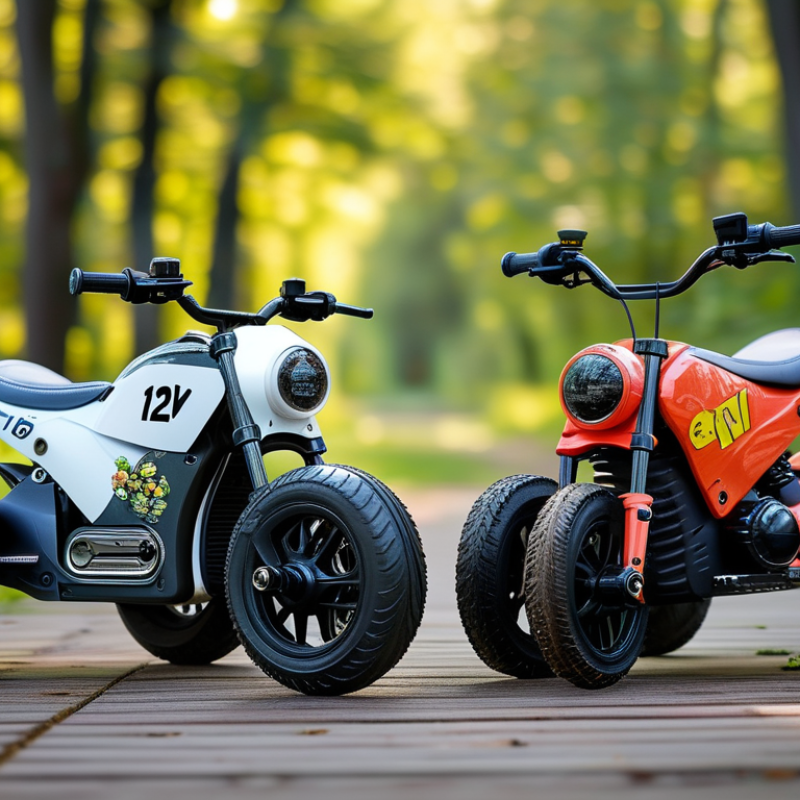
Differences in Voltage: 12V vs 24V Ride-on Cars
When considering ride-on cars for kids, the voltage difference between 12V and 24V models significantly impacts performance. A 12V ride-on car typically runs on a single battery. This makes it more suitable for younger children or novice drivers. They offer a gentle speed, often capped around 3-5 miles per hour. This can be a safer option for beginners.
On the other hand, 24V ride-on cars are built for more adventurous kids. They usually incorporate two batteries, providing a higher speed. These vehicles can reach speeds of 6-12 miles per hour. This additional voltage allows for better traction and hill-climbing capabilities. Parents should note that while the excitement can be thrilling, safety measures become more critical.
Another consideration is the terrain. 12V models are best for flat surfaces like driveways or parks. They may struggle on inclines. In contrast, 24V cars perform better on uneven terrain. However, they also require more maintenance. Parents need to evaluate their child's skill level and preferences. Each choice offers benefits and drawbacks.
Power and Speed: How Voltage Affects Performance
When comparing 12V and 24V ride-on cars, voltage plays a critical role in power and speed. A 24V system typically offers double the voltage of a 12V system. This difference can lead to a significant increase in performance. According to industry reports, a 24V ride-on car can reach speeds of up to 8 mph, whereas a 12V model often maxes out at about 5 mph. This enhanced speed can provide a more thrilling experience for young drivers.
Voltage also impacts acceleration and hill-climbing ability. A 24V car can maintain speed even on inclines. In trials, 24V cars successfully navigated slopes up to 15%. In contrast, 12V vehicles struggle with steeper grades. It's important to note that while 24V systems offer higher performance, they may require more maintenance. Users often report battery life concerns with higher voltage systems.
However, safety is a crucial consideration. Not all children may manage the speed of a 24V ride-on car effectively. Increased power might lead to accidents if the driver is inexperienced. Balancing performance and safety is vital. While voltage affects performance, careful consideration of user skill level should guide your choice.
Performance Comparison of 12V vs 24V Ride-On Cars
Battery Life and Charging Times for 12V and 24V Cars
When comparing 12V and 24V ride-on cars, battery life and charging times are key factors. A 12V car typically features a single battery system. These cars are generally good for shorter rides and are great for younger kids. Their average battery life ranges from 1 to 3 hours depending on usage. However, they may require more frequent charging sessions, making them less convenient for longer playtimes.
On the other hand, 24V ride-on cars often come with two batteries. This design allows for a longer drive time, often exceeding 3 hours. They are more suitable for older children who demand speed and longer play sessions. While the initial charging time for both types is similar, the batteries in 24V cars can take longer to fully charge. Parents should consider how frequently they are willing to recharge these vehicles.
In light of this, think about the needs of your child. Are they ready for longer adventures? If so, investing in a 24V vehicle may be worthwhile. However, if short stints of play are all that’s needed, then 12V cars will suffice. Choosing the right model requires careful consideration of battery life, playtime, and convenience.
Weight and Size Considerations for 12V vs 24V Models
When considering ride-on cars, weight and size play crucial roles, especially when comparing 12V and 24V models. A 12V ride-on typically weighs between 30 to 50 pounds. This lighter design often leads to easier maneuverability for younger children. However, the capacity can be limited due to the smaller motor size. These cars are ideal for younger kids, usually between 2 to 5 years old, as they offer a safer experience with manageable speeds.
In contrast, 24V ride-on cars usually weigh from 50 to 80 pounds. The increased weight corresponds with a more powerful motor, supporting greater speeds and larger sizes. This makes 24V models suitable for older children, often aged 5 to 10 years. According to industry data, 24V models can support heavier loads, often exceeding 100 pounds, compared to 12V cars that typically support around 65 pounds. This greater capacity allows for longer usage years, but the increased weight can challenge younger operators.
In addition, the physical size of the vehicles varies. A 12V car may have dimensions around 40 inches in length. A 24V model, however, can reach up to 50 inches. This additional size can create storage challenges and may not fit easily in smaller spaces. Parents should consider not only the weight capacity but also the available space for these vehicles. Each choice carries its own pros and cons, reflecting the need for careful consideration in purchase decisions.
What is the Difference Between 12V and 24V Ride on Cars? - Weight and Size Considerations for 12V vs 24V Models
| Model Type |
Voltage |
Max Weight Capacity |
Average Dimensions (L x W x H) |
Typical Speed |
Recommended Age |
| 12V Model A |
12V |
110 lbs |
42 x 24 x 30 inches |
4-5 mph |
3-6 years |
| 12V Model B |
12V |
120 lbs |
45 x 28 x 32 inches |
3-4 mph |
3-7 years |
| 24V Model A |
24V |
150 lbs |
48 x 26 x 34 inches |
5-7 mph |
5-10 years |
| 24V Model B |
24V |
160 lbs |
50 x 30 x 36 inches |
6-8 mph |
5-12 years |
Safety Features and Recommendations for Different Voltages
When considering ride-on cars, the voltage significantly impacts safety features. A 12V ride-on car is often recommended for younger children. These vehicles typically offer lower speeds, ensuring a safer driving experience. Additionally, they generally come with more forgiving acceleration and braking systems, reducing the risk of accidents. Parents can feel at ease with such vehicles in relatively open areas.
On the other hand, 24V ride-on cars are designed for older children. These cars can reach higher speeds, offering an exhilarating experience. However, increased speed can lead to safety concerns. Therefore, it's crucial to ensure these cars are equipped with advanced safety features. Effective brakes, sturdy seatbelts, and speed limiters play vital roles. Parents need to supervise closely, especially in busy environments.
It’s essential to reflect on the child’s age and maturity when choosing between voltages. A 24V car may seem exciting but isn’t suitable for every child. Striking a balance between thrill and safety is key. Regular maintenance and checks can enhance reliability. Ultimately, understanding the differences in voltage helps parents make informed choices.
FAQS
: Higher voltage, like 24V, typically allows for faster speeds, reaching up to 8 mph compared to 5 mph for 12V.
A 24V car can navigate slopes up to 15%, while a 12V car struggles on steeper inclines.
Yes, 12V models are generally lighter and designed for kids aged 2 to 5, ensuring manageable speeds.
These models usually weigh between 50 to 80 pounds, making them harder for younger children to handle.
Users of 24V cars often report battery life concerns, which can require more maintenance compared to 12V cars.
Not all children can manage the increased speed safely; inexperienced drivers may be at risk for accidents.
24V models can support over 100 pounds, while 12V cars typically hold around 65 pounds.
A 12V car is about 40 inches long, while a 24V can reach 50 inches, impacting storage space.
Yes, 24V cars are suitable for kids aged 5 to 10, offering more speed and capacity for longer usage.
The heavier design may be difficult for younger children to maneuver, impacting their overall ride experience.
Conclusion
When considering what is the difference between 12V and 24V ride-on cars, several factors come into play. Firstly, the voltage directly impacts power and speed, with 24V models typically providing higher performance, allowing for faster speeds and the ability to tackle steeper inclines compared to their 12V counterparts. Additionally, 24V ride-on cars usually feature longer battery life and quicker charging times, making them more efficient for extended playtime.
Other considerations include weight and size, as 24V cars may be larger and heavier, impacting handling and portability. Safety features also vary between the two voltages; while both are designed with child safety in mind, higher voltage models can offer advanced safety mechanisms. Ultimately, understanding these differences can help parents make an informed decision based on their child's needs and the riding terrain.
 Toyo Drive
